
 By Haruki Murakami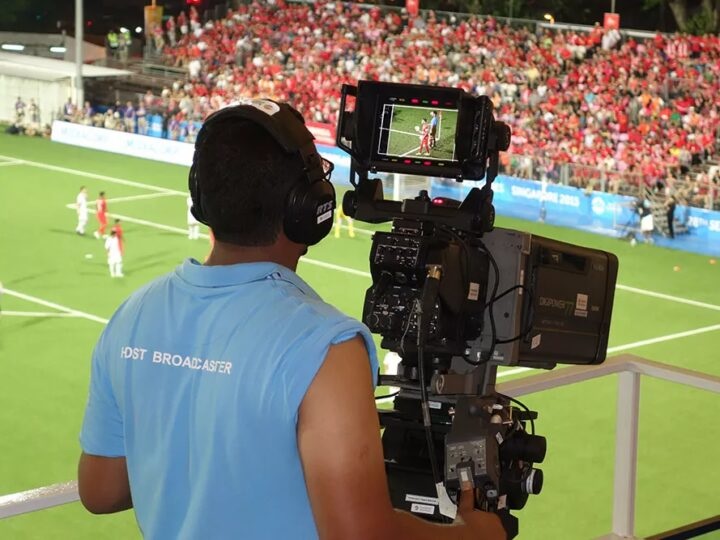
Starting your own sports broadcasting channel is an ambitious yet achievable goal, provided you have a passion for sports, a clear vision, and the determination to navigate the technical and business complexities involved. This guide outlines the essential steps to get you started on your journey to creating a successful 실시간해외축구중계 channel.
1. Define Your Niche and Audience
The first step is to determine the specific niche and target audience for your sports channel. Are you focusing on a particular sport, such as football, basketball, or esports? Or do you plan to cover a variety of sports? Understanding your niche helps you create tailored content that resonates with your audience. Conduct market research to identify gaps in the current 실시간해외축구중계 landscape and opportunities for differentiation.
2. Create a Business Plan
A well-thought-out business plan is crucial. This document should outline your channel’s goals, target audience, content strategy, marketing plan, revenue model, and financial projections. Decide whether your channel will be ad-supported, subscription-based, or a hybrid model. Include a detailed budget that accounts for equipment, software, licenses, marketing, and other operational costs.
3. Acquire the Necessary Equipment and Software
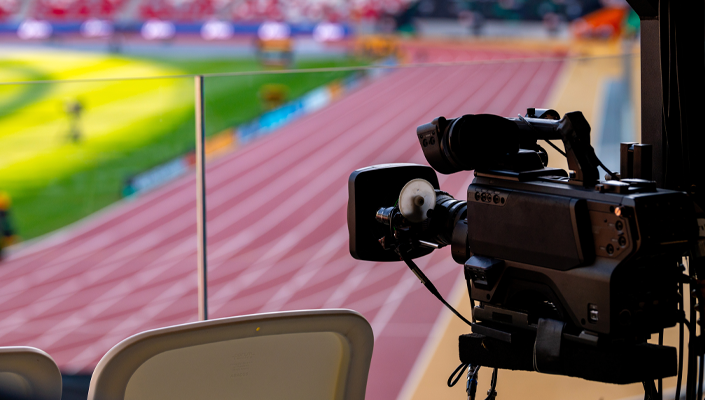
Quality broadcasting requires the right equipment and software. Invest in high-definition cameras, microphones, lighting, and a reliable internet connection. You will also need broadcasting software like OBS Studio, Wirecast, or vMix, which allows you to live-stream and manage your broadcasts. Ensure you have adequate storage solutions for your footage and backups.
4. Obtain Broadcasting Rights and Licenses
Securing the legal right to broadcast sports content is a critical step. This may involve negotiating with sports leagues, teams, or event organizers to obtain broadcasting rights. Additionally, you need to be aware of copyright laws and ensure you have the necessary licenses to broadcast music, commentary, and other media.
5. Build a Content Strategy
Your content strategy should focus on delivering engaging and high-quality broadcasts. Plan a mix of live games, highlights, interviews, analysis, and behind-the-scenes footage. Consistency is key, so establish a regular broadcasting schedule. Incorporate social media to engage with your audience and promote your content. Platforms like YouTube, Twitch, and Facebook Live are excellent for live streaming and building a community.
6. Assemble a Talented Team
A successful sports broadcasting channel relies on a team of skilled professionals. This may include hosts, commentators, producers, camera operators, and technical support staff. Look for individuals who are not only passionate about sports but also have the technical skills and on-camera presence to deliver compelling content.
7. Develop a Marketing and Promotion Plan
Effective marketing is essential to attract viewers and build your brand. Utilize social media marketing, search engine optimization (SEO), and paid advertising to reach your target audience. Collaborate with influencers, sports personalities, and other channels to expand your reach. Engaging content, regular updates, and interactive elements like polls and live chats can help retain viewers.
8. Launch and Monitor Your Channel
Once everything is in place, launch your channel with a well-publicized premiere event. Promote it across all your marketing channels to generate buzz. After the launch, continuously monitor your channel’s performance using analytics tools. Track metrics such as viewership numbers, engagement rates, and revenue. Use this data to refine your content strategy and improve the viewer experience.